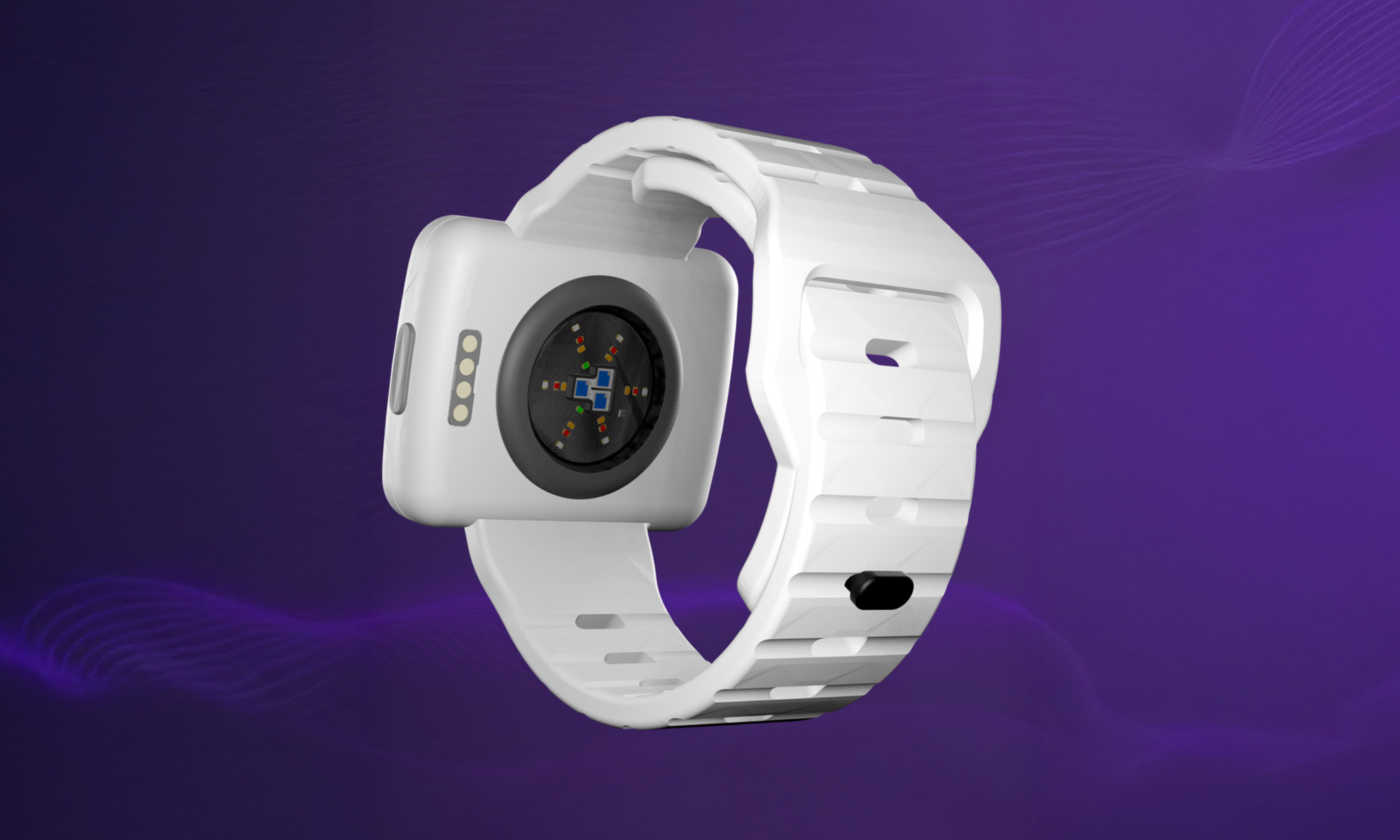
Optical sensing performance depends on how light travels through skin, blood and underlying tissue. Variations in tissue composition and skin tone can distort pulsatile signals and reduce measurement accuracy.
OPM applies tissue-aware light modelling to optimise signal capture across wavelengths and physiological states. By accounting for light–tissue interaction, this approach preserves pulsatile waveform integrity across skin tones and oxygenation levels, supporting validated measurement accuracy during controlled desaturation and across clinically relevant physiological conditions.
This modelling approach improves signal consistency across wavelengths, reduces distortion from tissue variability, and enables reliable interpretation of physiological signals in real-world clinical monitoring scenarios and settings.
Link to Study Protocol