

2022
Foundation laid
Carelight founded; OPM development begins.
Controlled clinical studies validating OPM performance across diverse populations, physiological stress conditions and wearable measurement sites.
Backed by decades of research, 100+ published studies and 30+ PhD graduates, Carelight’s OPM platform is built on rigorous science, not assumptions.
More than two decades of innovation, built on peer-
reviewed science.
Independent evidence proving accuracy and reliability across diverse patient groups.
A sustained pipeline of expertise across photonics, biomed and data science.
Active pathways toward CE marking and FDA clearance for global deployment.
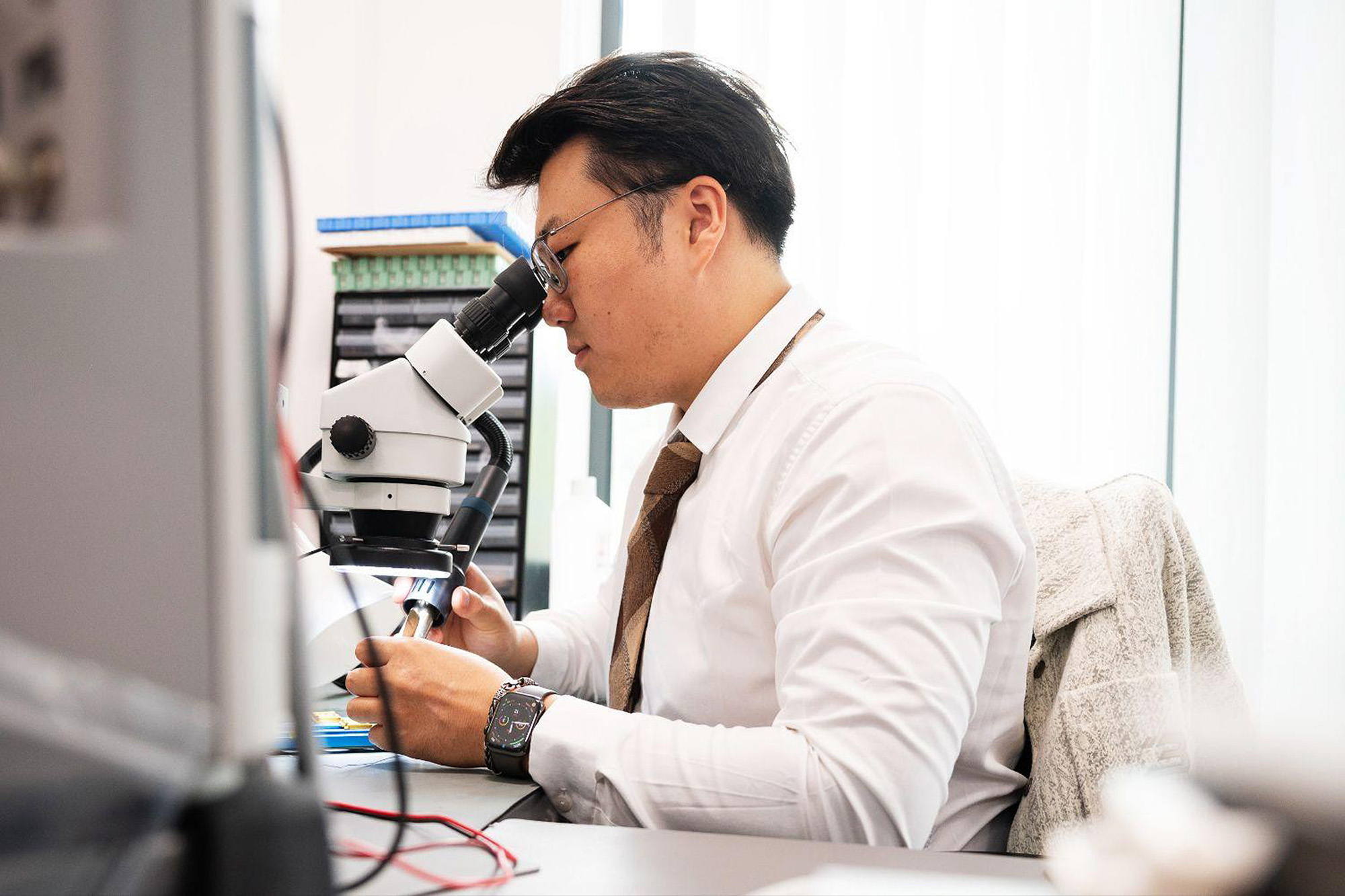
Our data shows what conventional sensors can’t: AI-powered accuracy that holds across skin tones, patient groups and real-world conditions.
Signal performance was evaluated under controlled hypoxia conditions in alignment with ISO 80601-2-61:2017, the international standard for pulse oximeters. The protocol was designed to meet current requirements, with adjustments introduced to reflect anticipated updates to FDA guidance.
Testing was conducted in healthy adult volunteers selected to represent a wide range of skin tones. Skin tone classification was assessed using both subjective and objective methods. Monk Skin Tone (MST) categories were used alongside colorimetric measurement of Individual Typology Angle (ITA) scores. Participants were evenly distributed across light (MST 1 – 4), medium (MST 5 – 7), and dark (MST 8 – 10) skin tone cohorts, with each group representing approximately 25% of the study population. A total of 24 participants were enrolled, with a minimum of 40% representation of each gender.
In accordance with the standard, participants breathed controlled air mixtures during testing. Oxygen concentration was reduced gradually in a stepwise manner to induce controlled hypoxia, lowering blood oxygen saturation levels to approximately 70%. At each stable oxygen plateau, arterial blood samples were collected and analysed using a blood gas analyser to establish true arterial oxygen saturation.
Throughout the study, OPM devices were worn simultaneously on the wrist and chest to continuously record physiological signals from both locations. Device measurements were compared directly with arterial blood gas results to evaluate signal accuracy across different skin tones, oxygenation levels, and body locations.
The study findings are explored across three key aspects of signal performance, outlined below.
Peer-reviewed research demonstrating the clinical efficacy, inclusivity and AI-driven innovation behind OPM.
In press Nature Scientific Reports, https://doi.org/10.1038/s41598-025-31116-9
Our multidisciplinary team brings together expertise in biomedical optics, AI-driven signal processing, clinical medicine and regulatory science. By collaborating with leading universities and clinical centres worldwide, we’re advancing the future of non-invasive, continuous monitoring.
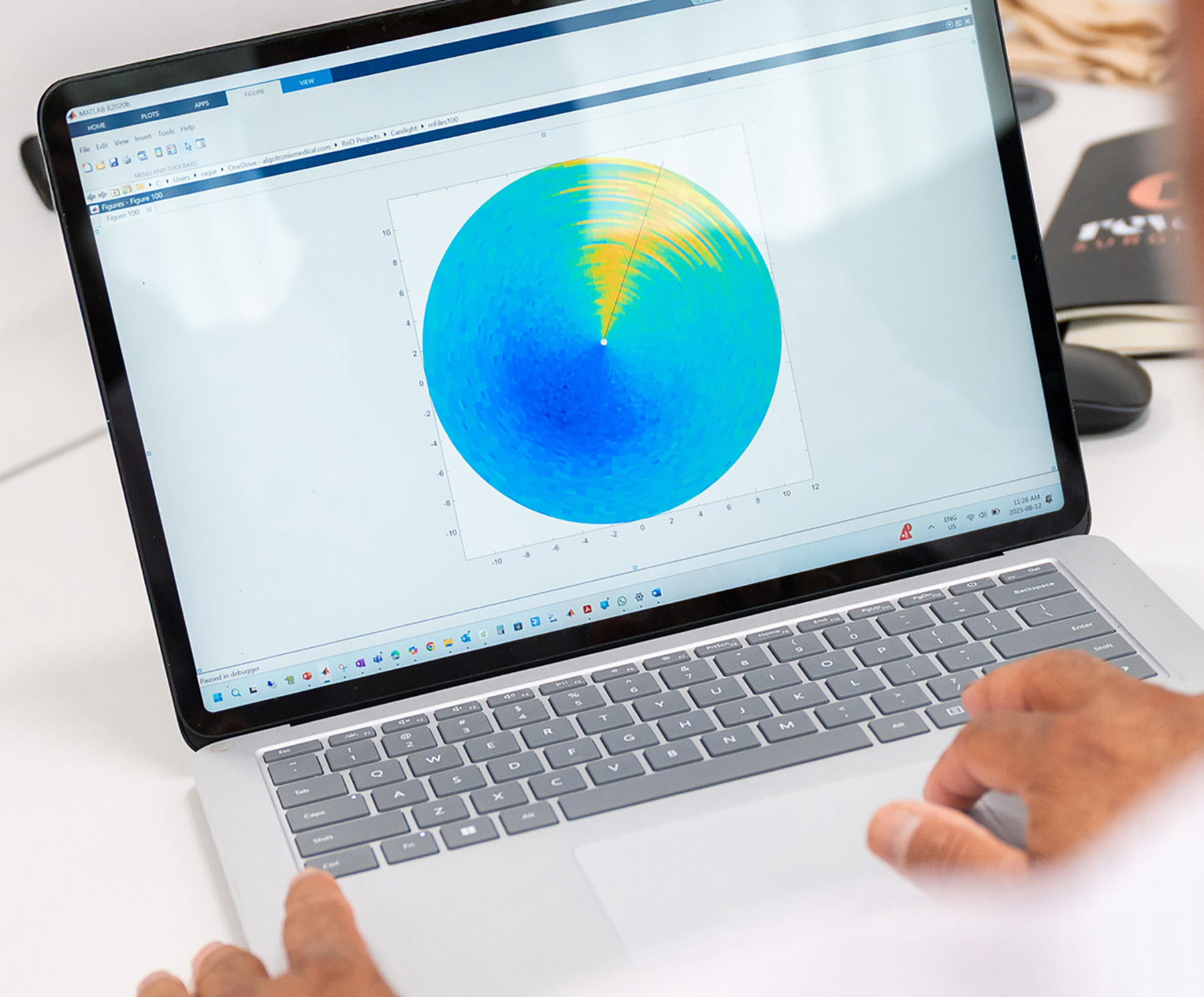
Upcoming studies and regulatory milestones on the path to clinical deployment.
Carelight founded; OPM development begins.
First fully wearable prototype tested.
Hypoxia clinical study completed.
First product prototype developed; FDA 510(k) documentation begins.
FDA 510(k) submission for wrist-worn device; CE marking expected before year end.